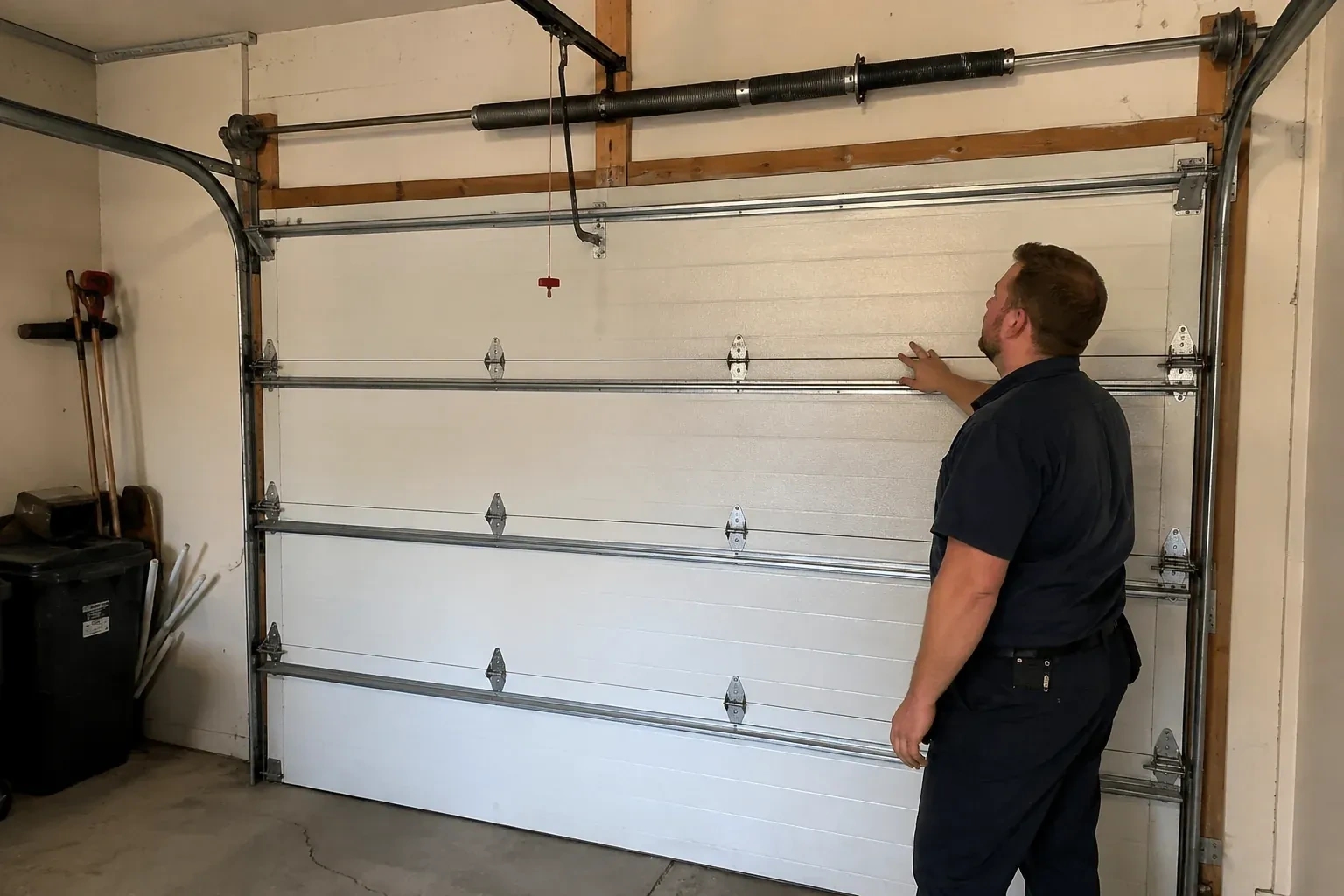
Garage Doors in Burlington, OntarioBalanced doorsspare the opener.
A door that drifts down or floats up when you pull the release is out of balance, and the opener has been lifting weight it was never designed for. We set the springs on doors in Burlington so the door rests wherever you leave it, which spares the motor, the gear and the rail.
We keep things plain for people in Burlington. No jargon in the explanation, no surprises on the invoice, no work started before you have agreed to it. The technician shows you the problem, prices the options on the spot, and gets on with the repair once you say yes.
— Aldershot Door Specialists
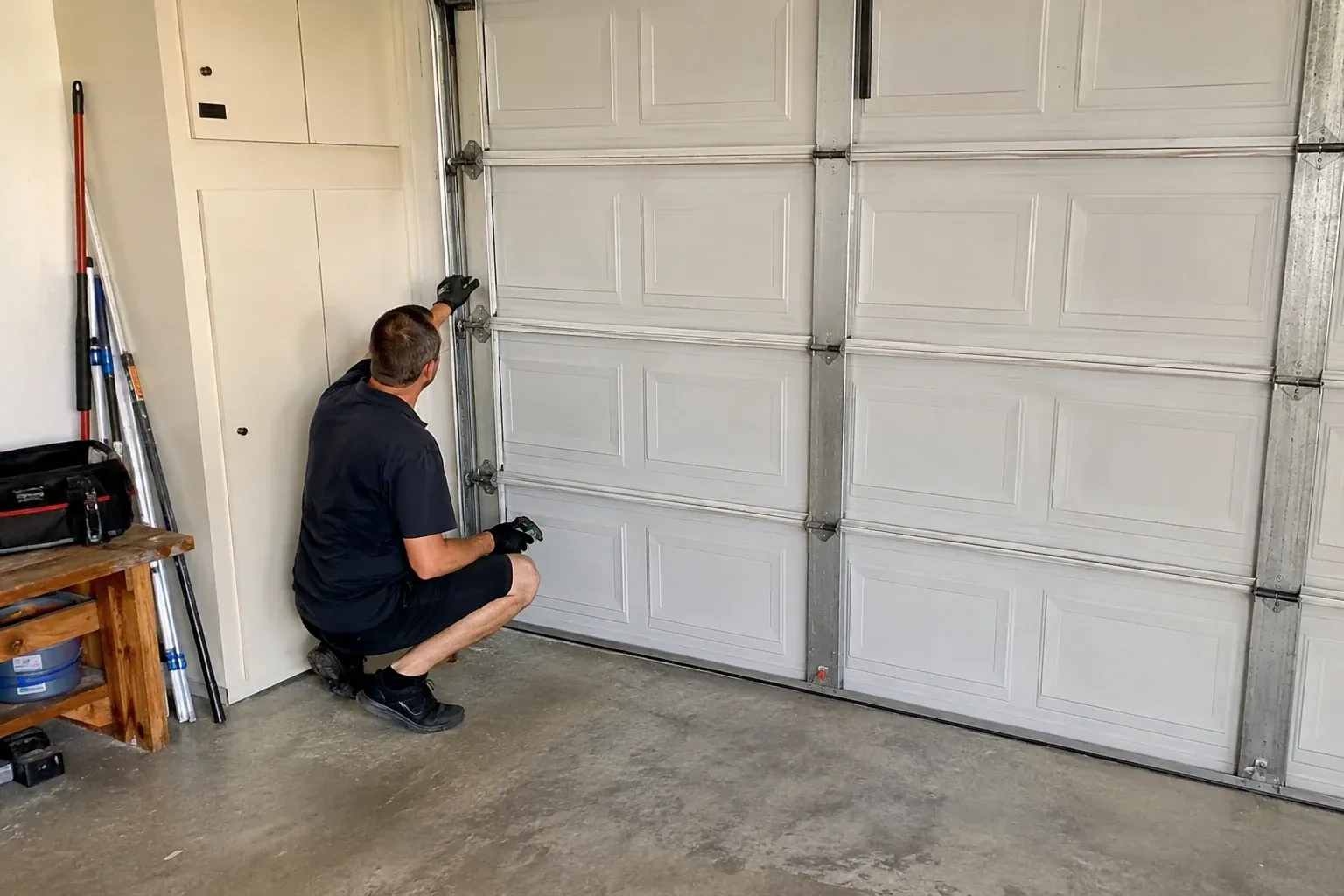
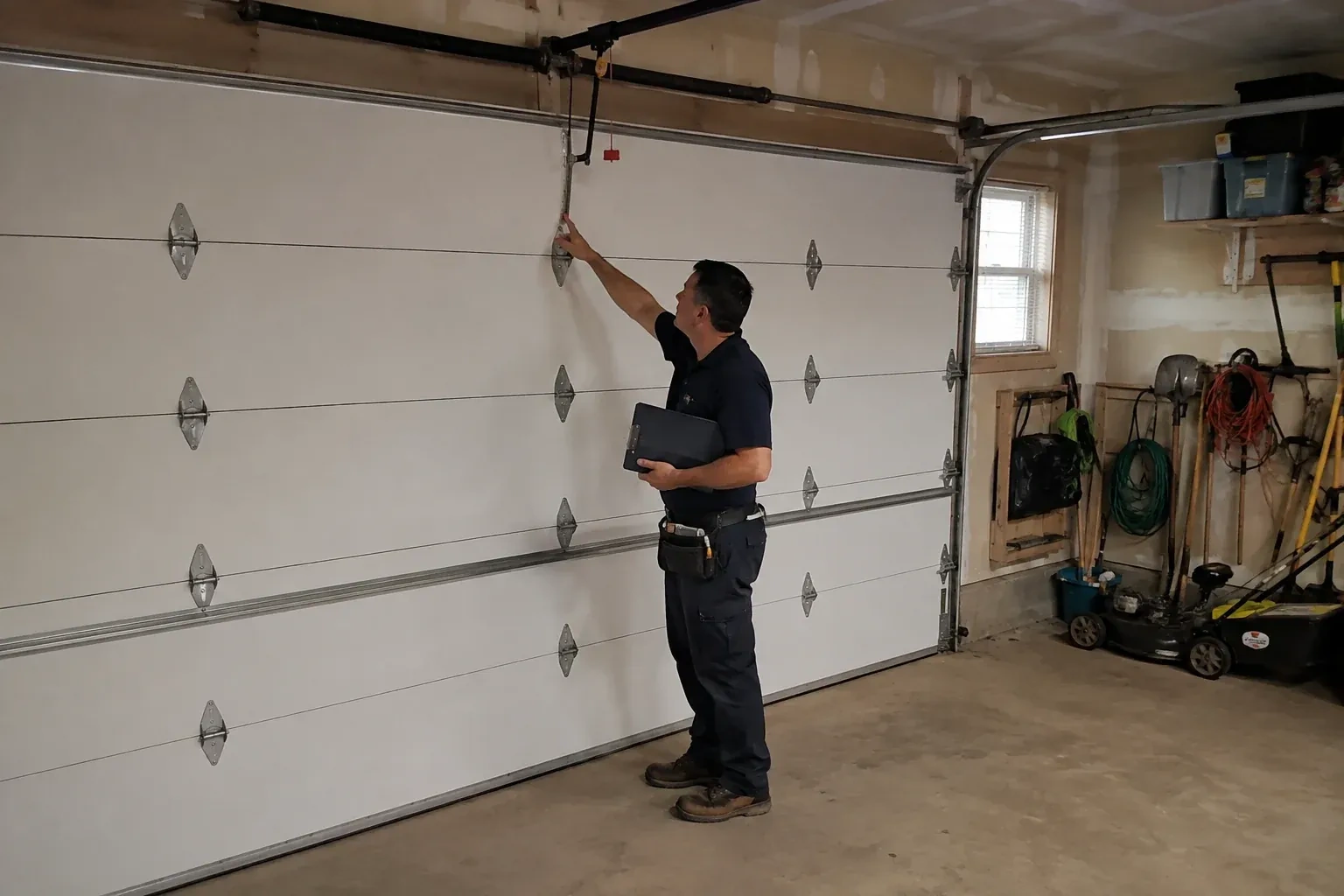
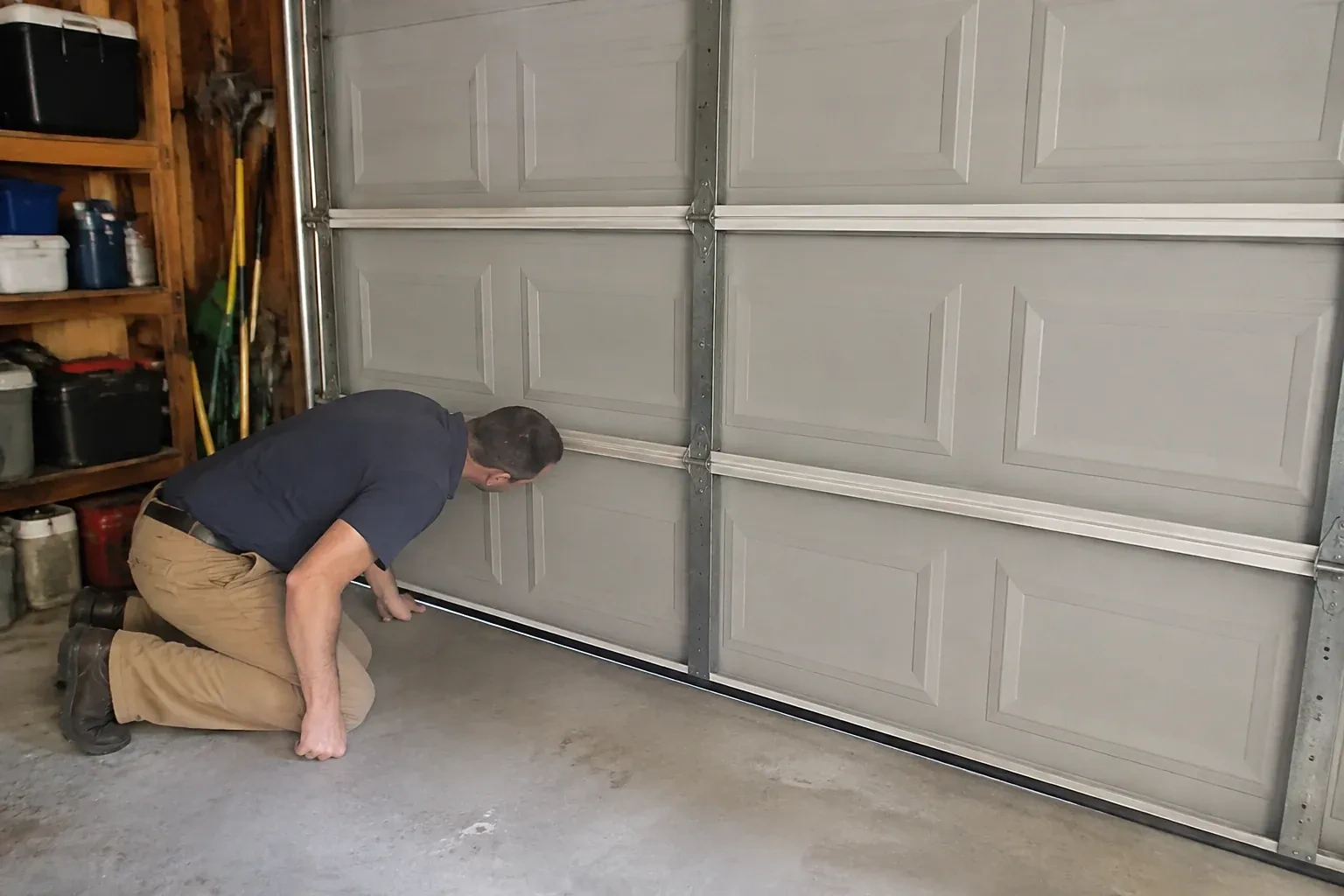
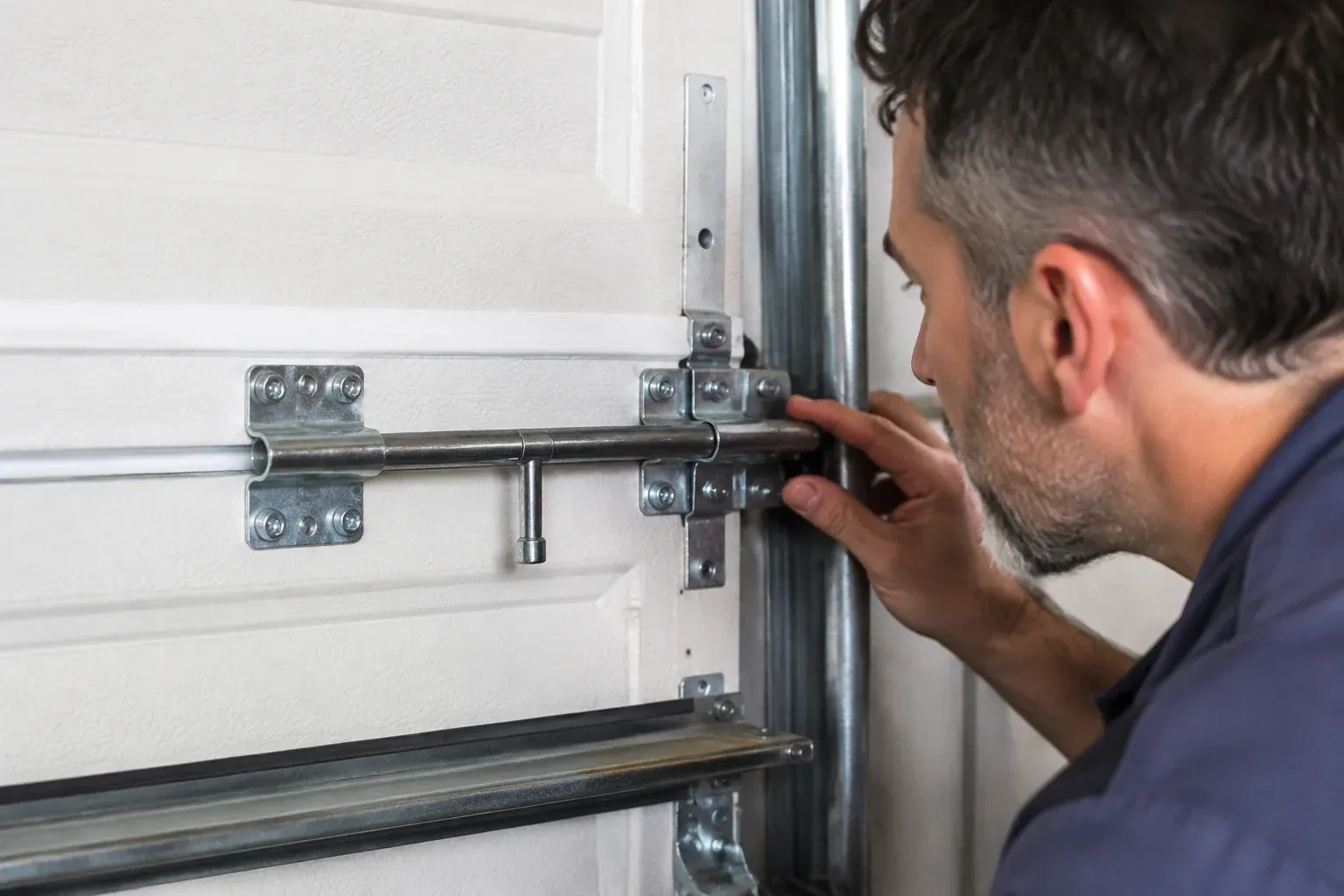
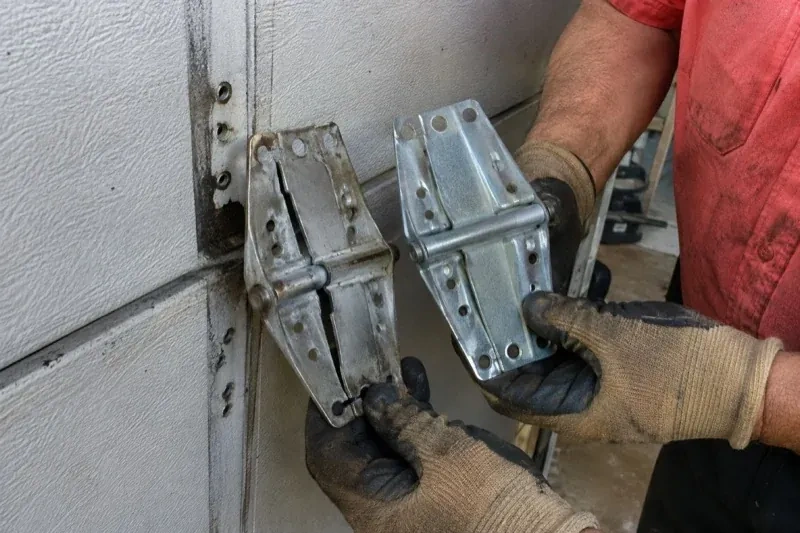
We show, then tellWorn cables, tired springs and misaligned sensors are pointed out on the door itself, so the explanation makes sense.
Clean-up includedOld parts are removed, surfaces wiped and the floor swept before we consider the visit complete.
The right repair for your situationSome doors deserve a full refresh; others need one part. We help you weigh that against how long you plan to keep the door.
Hours
HoursOpen 24/7
Nights and weekendsSame fees
In business13 years
VisitsOn-site assessment
Garage door services
Where to start
We think of garage door work in Burlington as keeping a heavy moving object safe and smooth. That covers spring and cable work, tracks and rollers, opener force and sensor settings, seals against the weather, and complete door replacement when a repair no longer makes sense.
A door in good repair is quiet, closes flat against the floor and stays put wherever you stop it. When one of those three things changes, this is the category to look through for the likely cause and the fix.
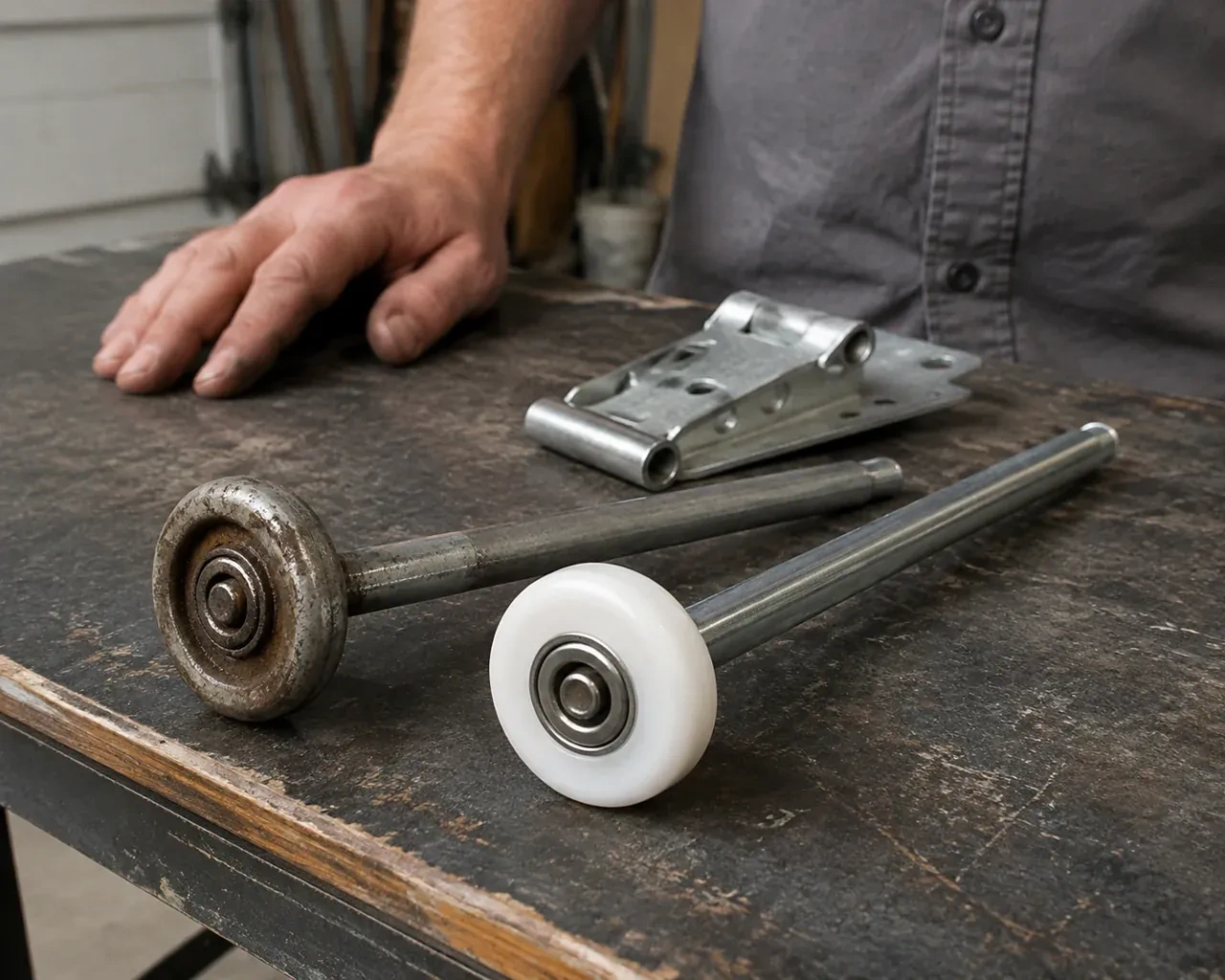
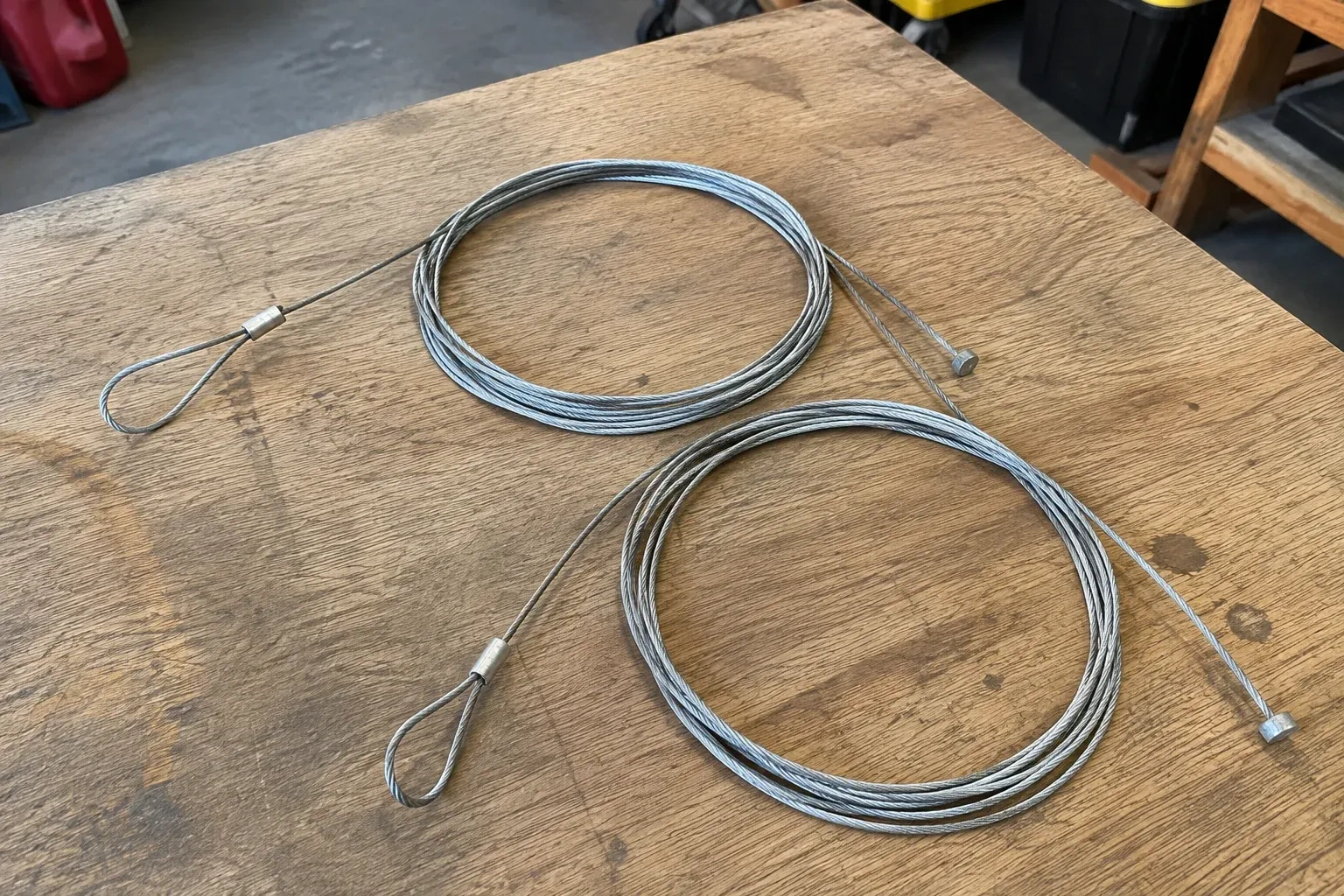
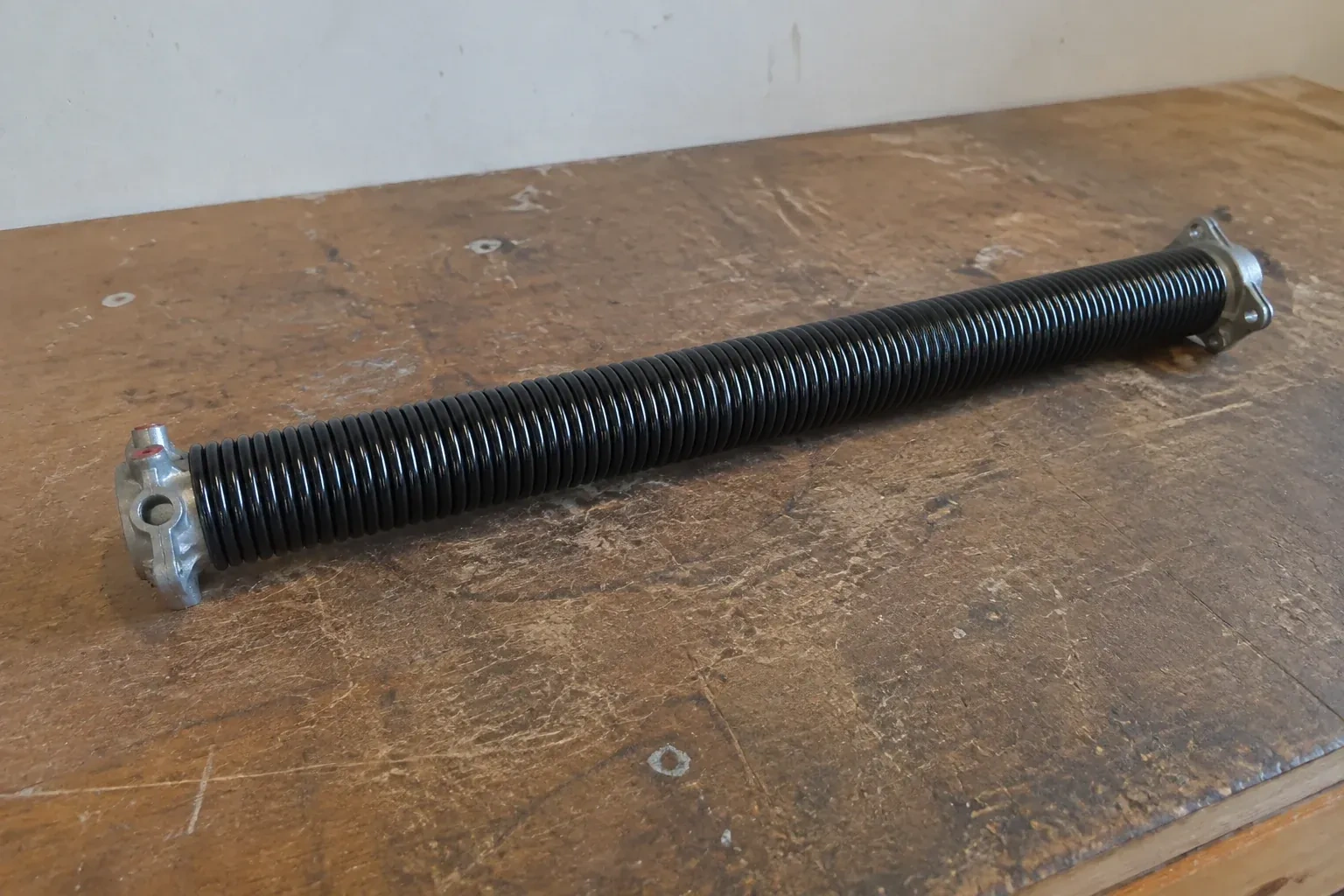
Torsion hardware is a small kit of parts that must agree with each other: spring, shaft, drums, cables, bearing plates and centre bracket. When one is replaced we check the rest, because a new spring on a worn drum does not last.
About 47% of homes in Burlington were built in 1980 or earlier, according to the 2021 Census.
Streets with a mix of older and newer homes tend to show a mix of door styles too, from flush wood panels to raised-panel steel and carriage designs. When a replacement is chosen, it can either match the house's period or the neighbouring doors, and we help weigh both.
50%
Single-detached houses make up about 50% of homes in Burlington (2021 Census).
A neighbourhood with a mix of detached houses and townhouses or condos means a technician moves between a wide family double door and a narrow single in a row within the same afternoon. The van carries hardware for both, and each visit is planned for that door.
Can I just push the roller back into the track myself?
The roller is only the visible part of the problem. Behind it are cables and springs holding the door's weight unevenly, and a door can drop or swing when a section is moved without the load taken off first. A trained technician clamps the door, releases the tension in a controlled way and seats the rollers in order. Leaving it to that process protects both you and the sections themselves.
Should I lubricate the chain, the rail or the track?
Rollers, hinges, bearings and springs benefit from a garage door lubricant once or twice a year. The chain, belt or screw-drive rail is a separate question, since each drive type calls for its own product and schedule from the opener's manual rather than one rule for every unit. The track itself should stay clean and dry, because lubricant there collects grit and makes rollers slide instead of turning. The technician can point out the spots on your door at the end of the visit.
Can you turn the force up so the door closes on cold mornings?
Force is set to the lightest level that moves the door reliably, and it is raised only a little for a cold garage. Turning it up further to overcome a heavy door or a seal frozen to the slab is not done, because too much force interferes with the safety reversal and can bend the top section. If the door is hard to move in the cold, the springs, rollers or the frozen seal are dealt with instead.
Should the belt be lubricated?
No. The belt is meant to run clean and dry; oils and sprays soften the rubber and gather grit in the teeth, which wears the sprocket. Lubricant belongs on the door instead: hinges, rollers and springs get a garage-door lubricant once a year. The gear inside the motor head takes a light grease when it is serviced, and that is the technician's job.
Is it all right to keep using the door until the visit?
Use the door in a way that keeps you in control. If the opener closes only while the wall button is held, do that only while you can see the whole doorway and nobody is near it. Otherwise close the door first if you can, then move it by hand with the manual release, and get help if it feels heavy or binds. Keep children and pets clear during any test. A door that reverses is being cautious on your behalf.
On-site assessment preferred
Request a visit
Tell us what happened. Send a few details about your door.
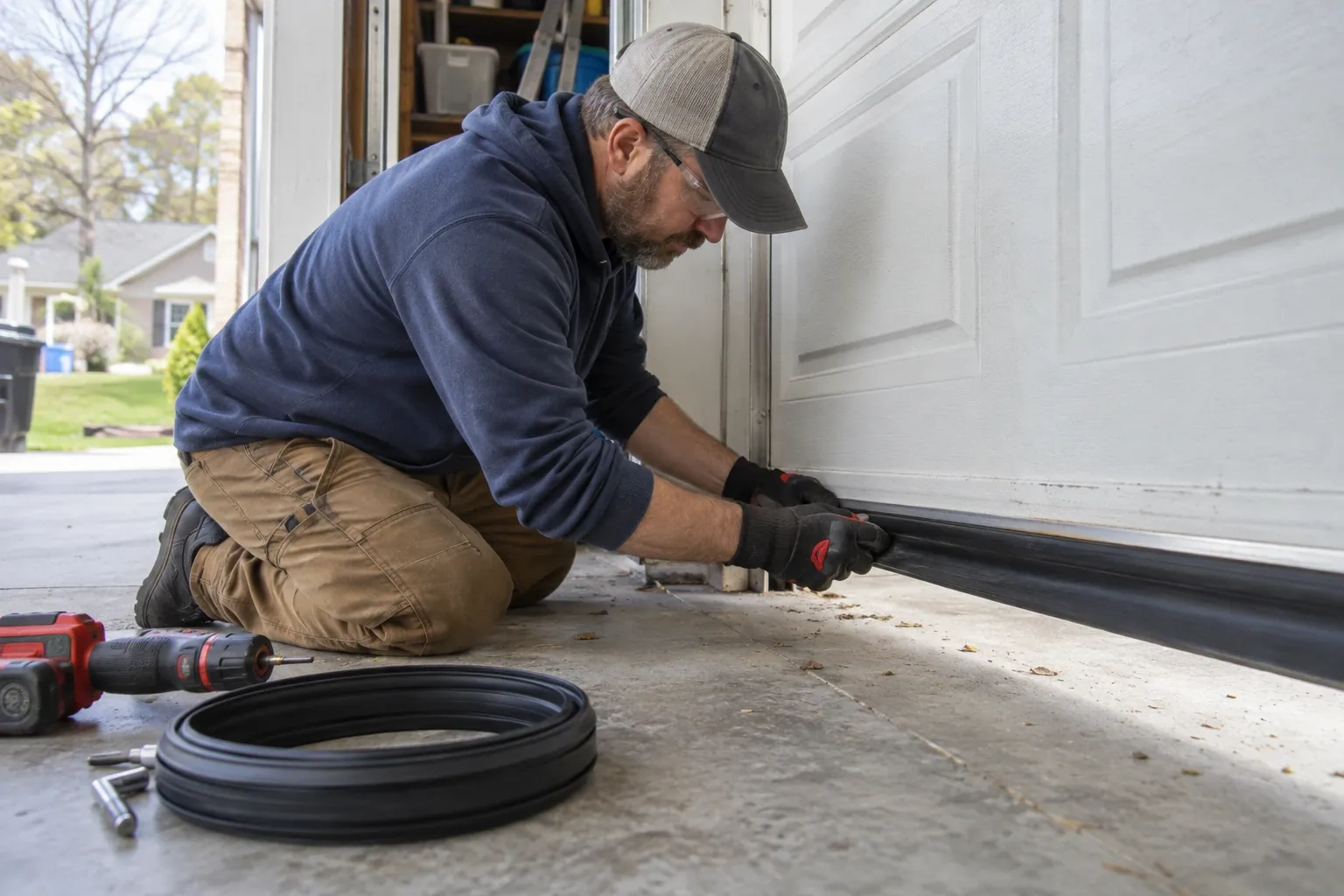
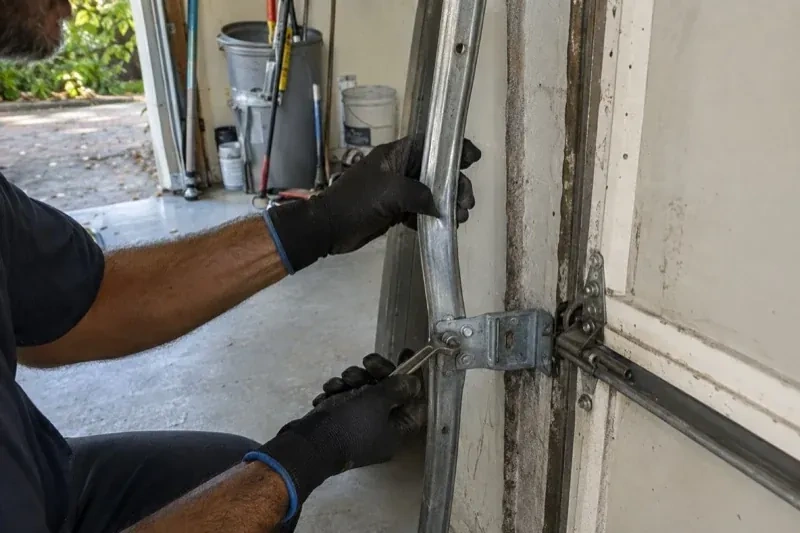
 Off-Track Garage Door ResetThere was a loud bang from the garage, then silence.
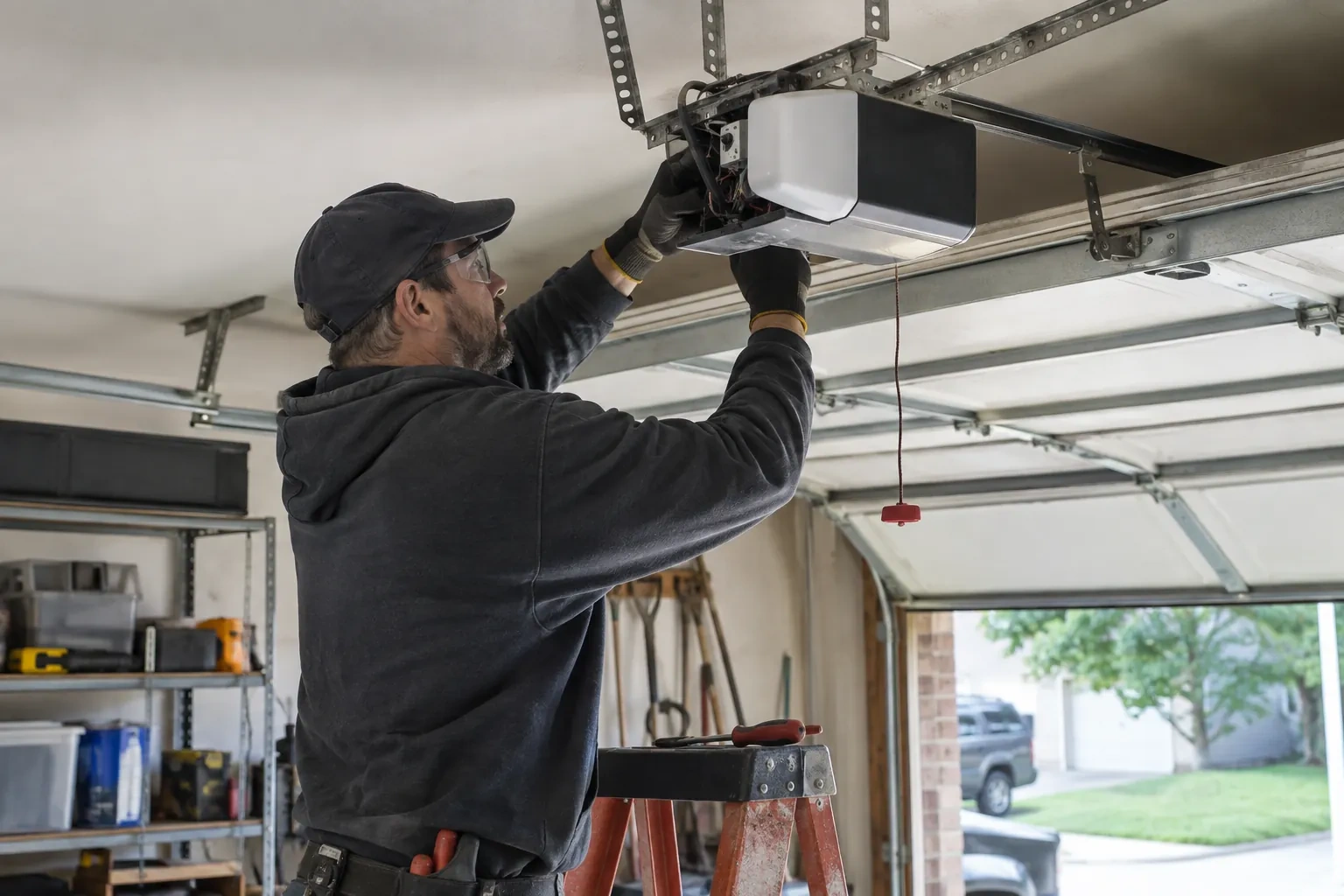
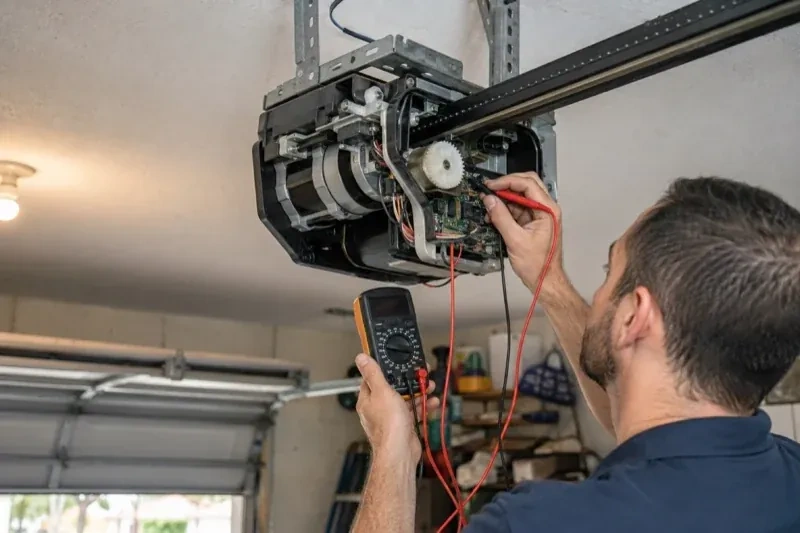 Garage Door Opener Diagnosis and RepairThe motor runs, the chain rattles along the rail, and the door does not move a millimetre.
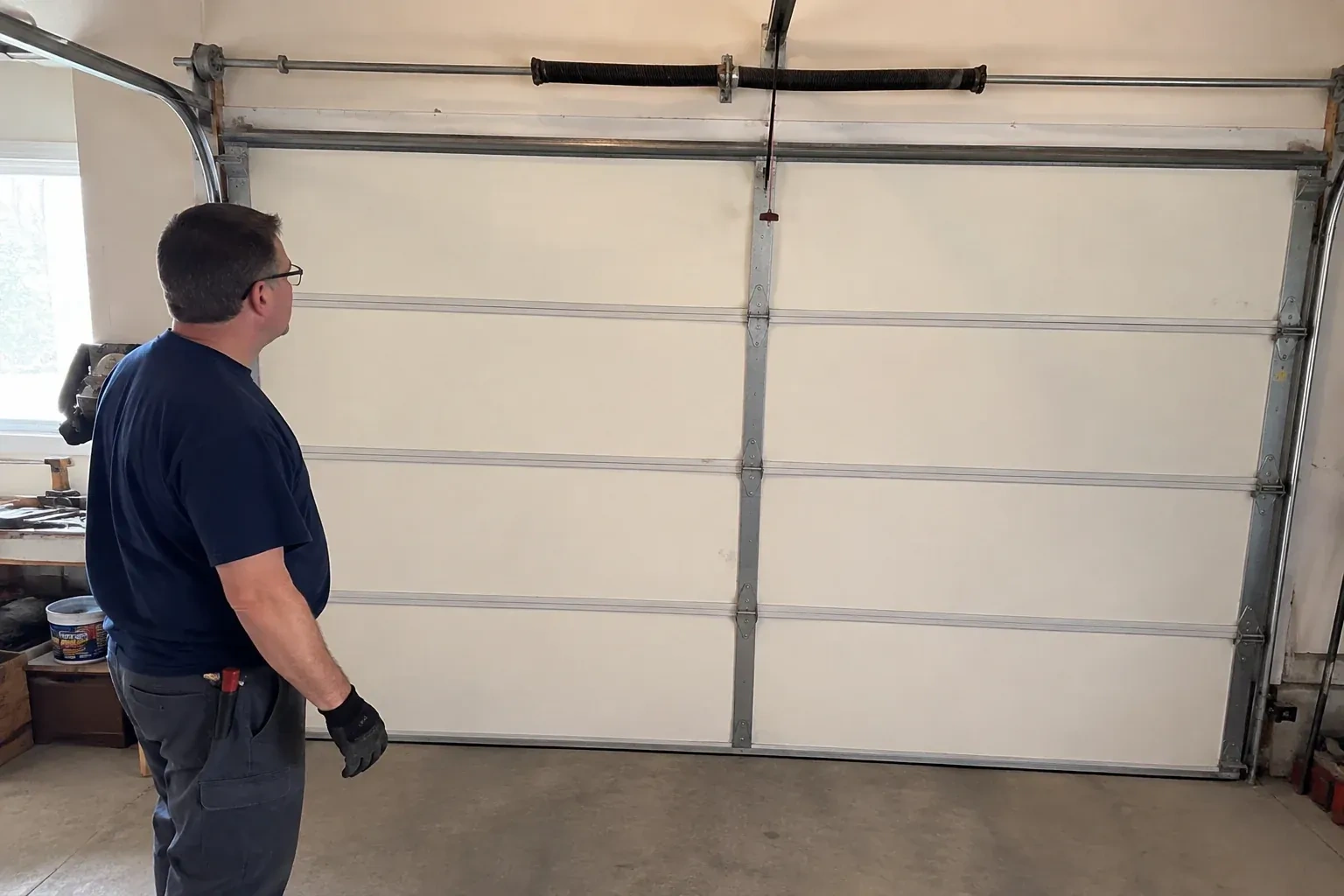
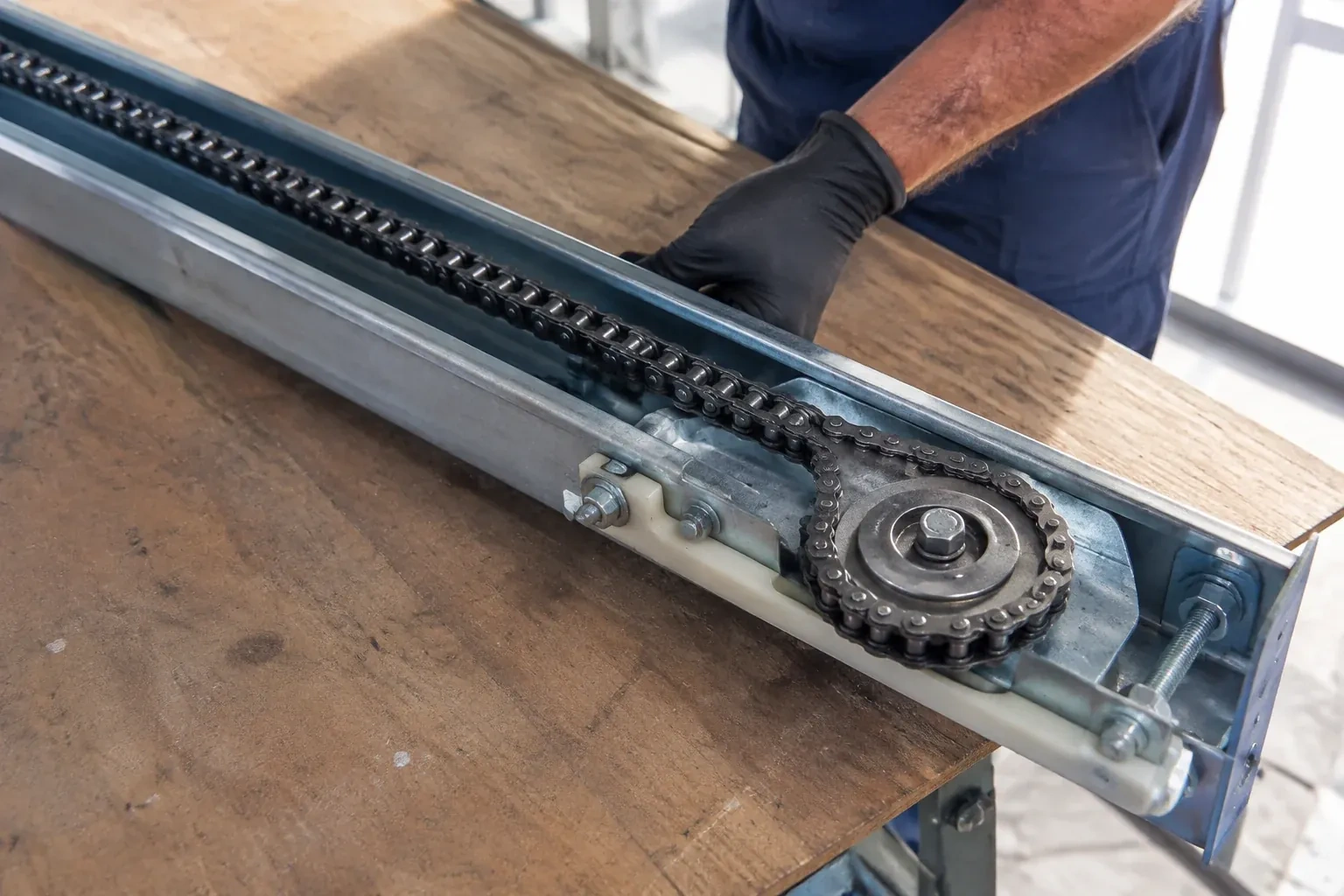 Chain-Drive Opener RepairHalfway up, the door lurches.
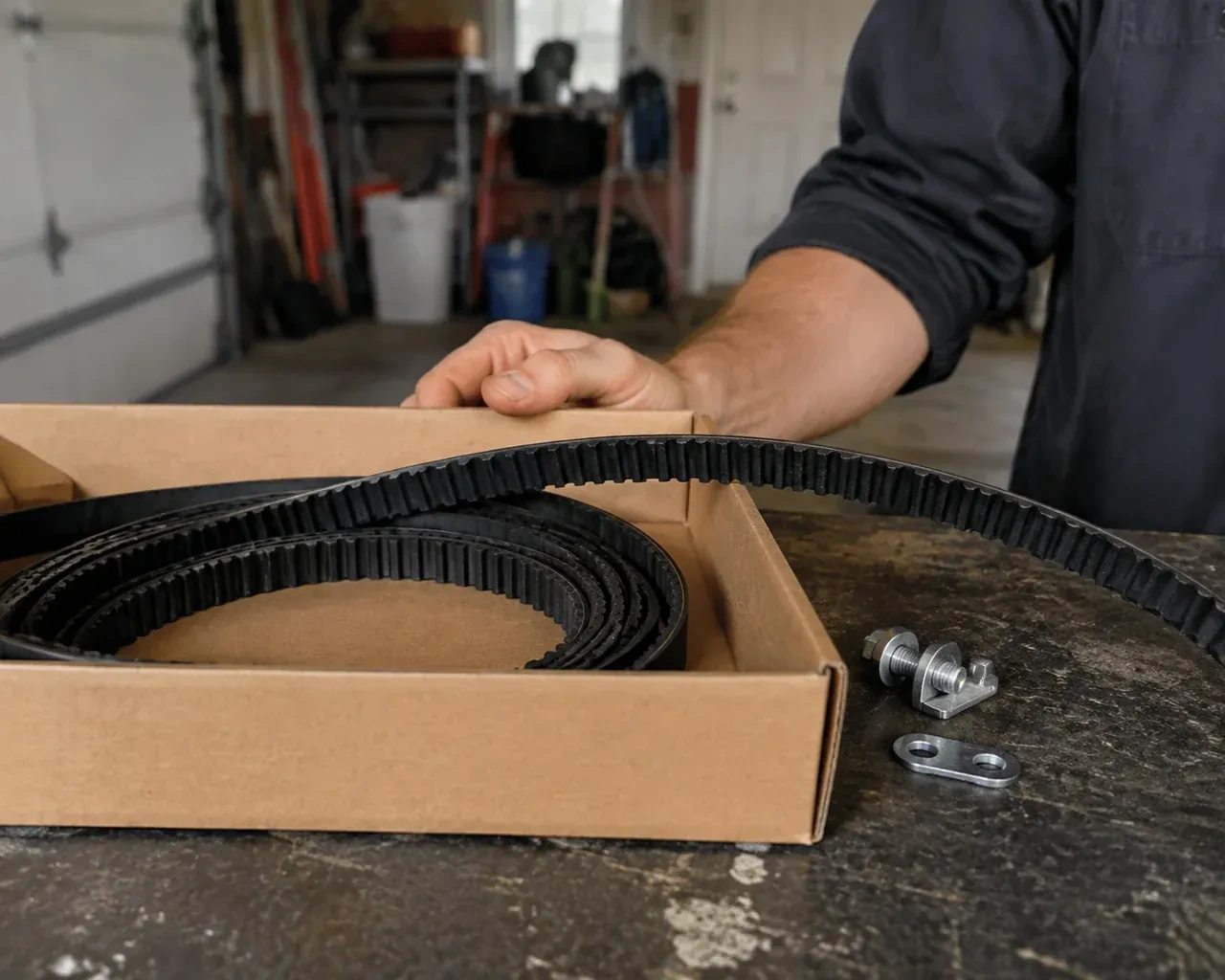 Belt-Drive Opener RepairHalfway up, every single time, the door hesitates and there is a ratcheting sound from the motor head, then it carries on.
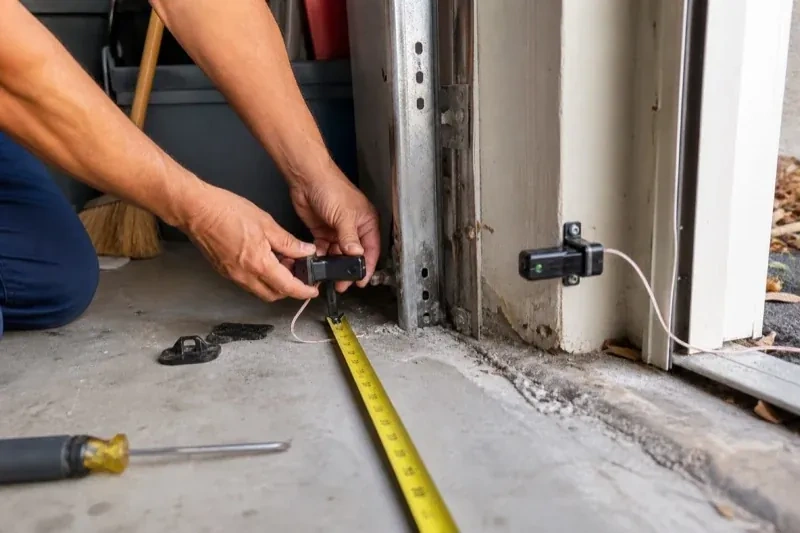 Photo-Eye Sensor Alignment or ReplacementThe door will only go down while a finger stays on the wall button; let go and it stops or reverses.
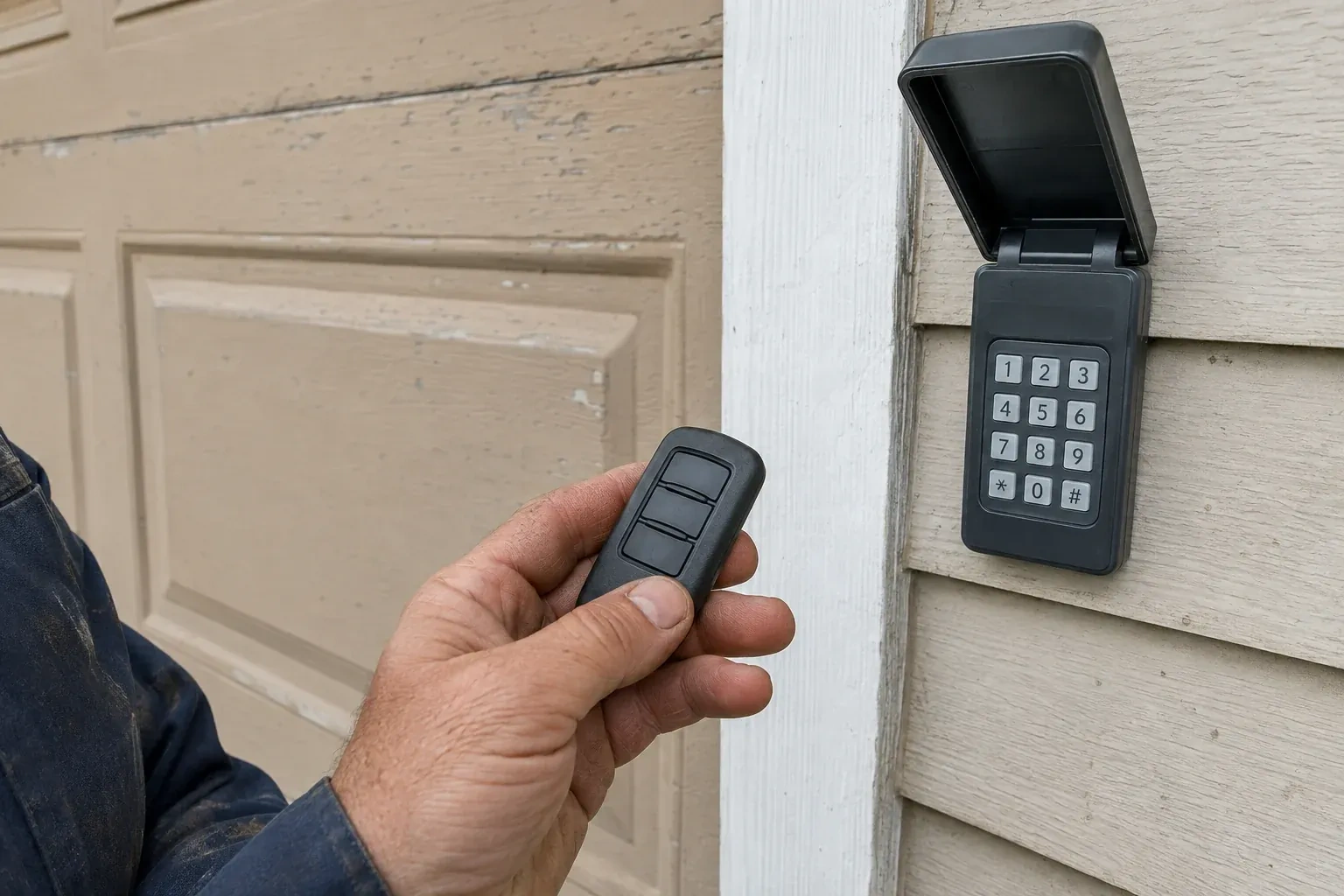 Garage Door Remote and Keypad ProgrammingSomeone in the family tried to add a remote, held the button on the ceiling unit a little too long, and now every remote in the…
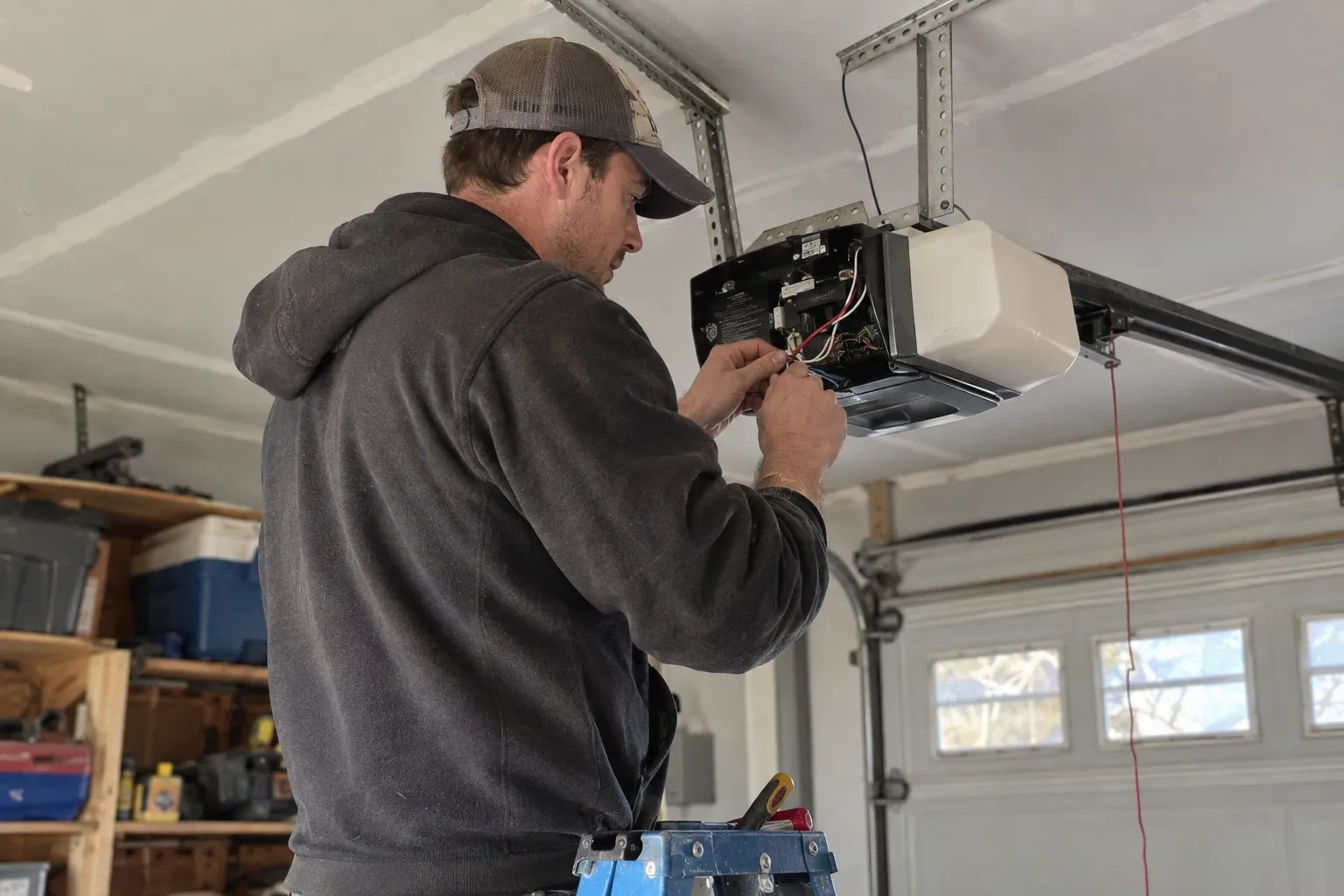 Emergency Release RepairYour garage is detached and has no side door.
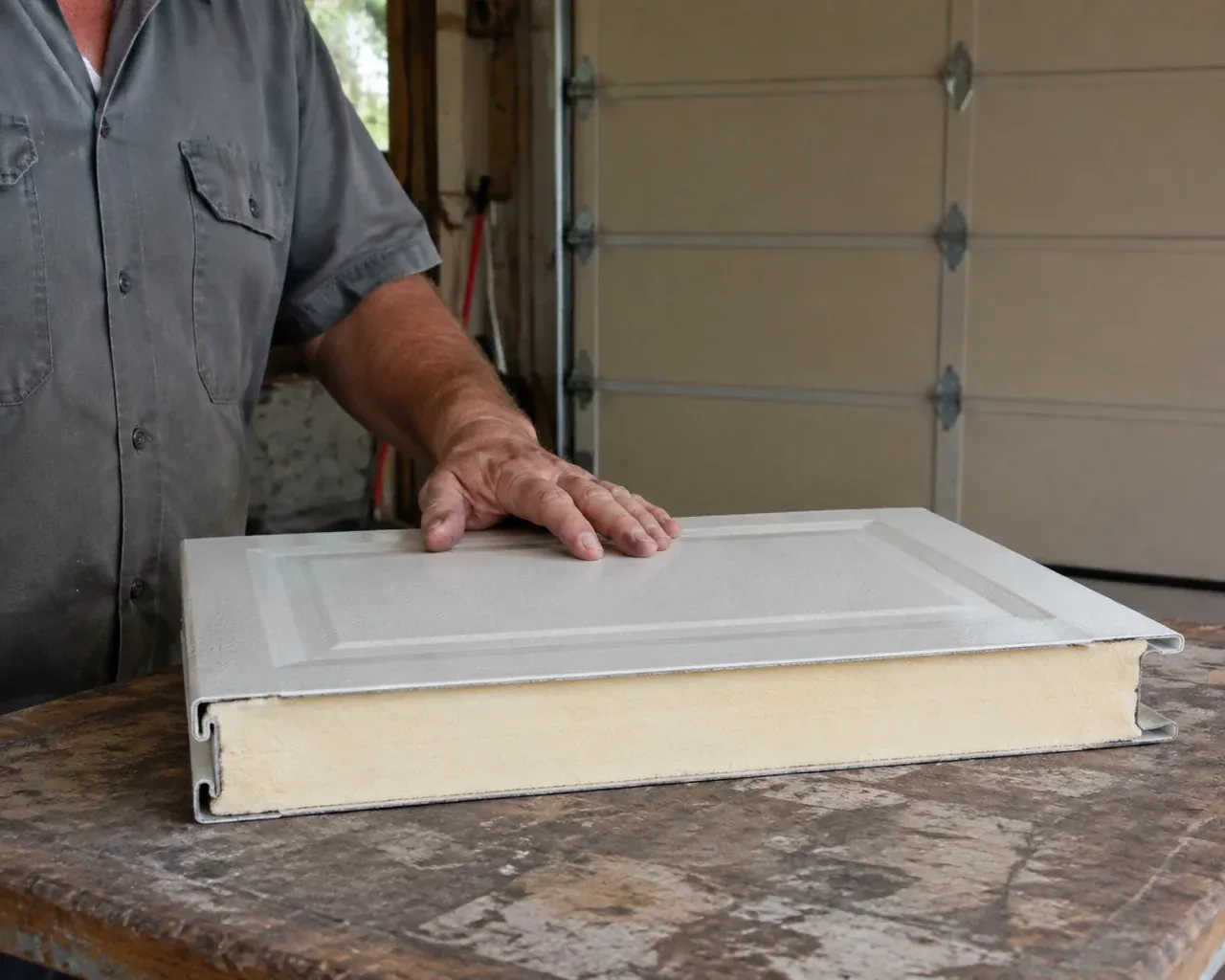 Insulated Steel Garage Door InstallationThe opener strains as the heavy older door starts upward, and manual movement feels uneven.
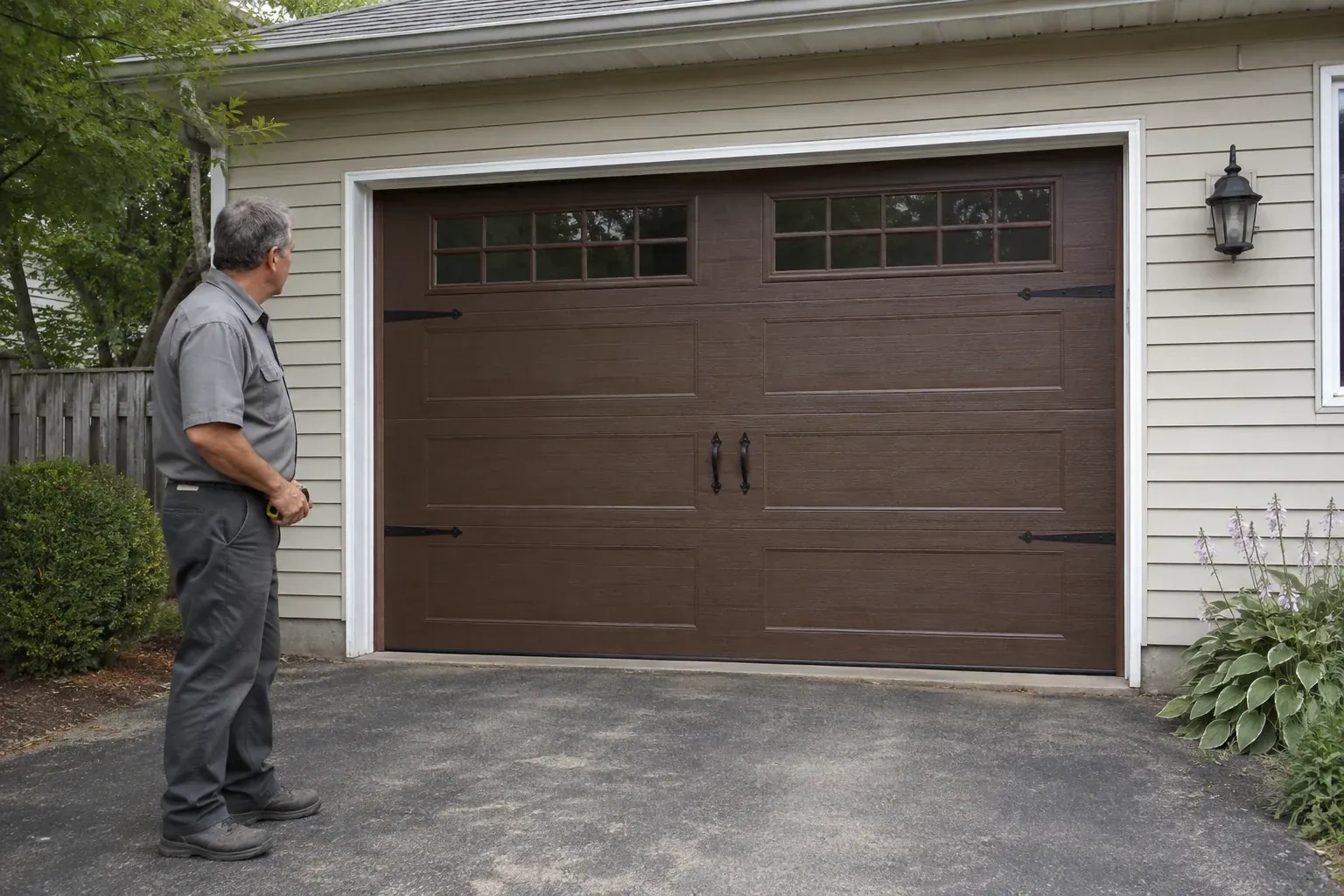 Carriage-House Garage Door InstallationYou appreciate the grain and depth of traditional wood doors, though regular refinishing is not part of your plan.
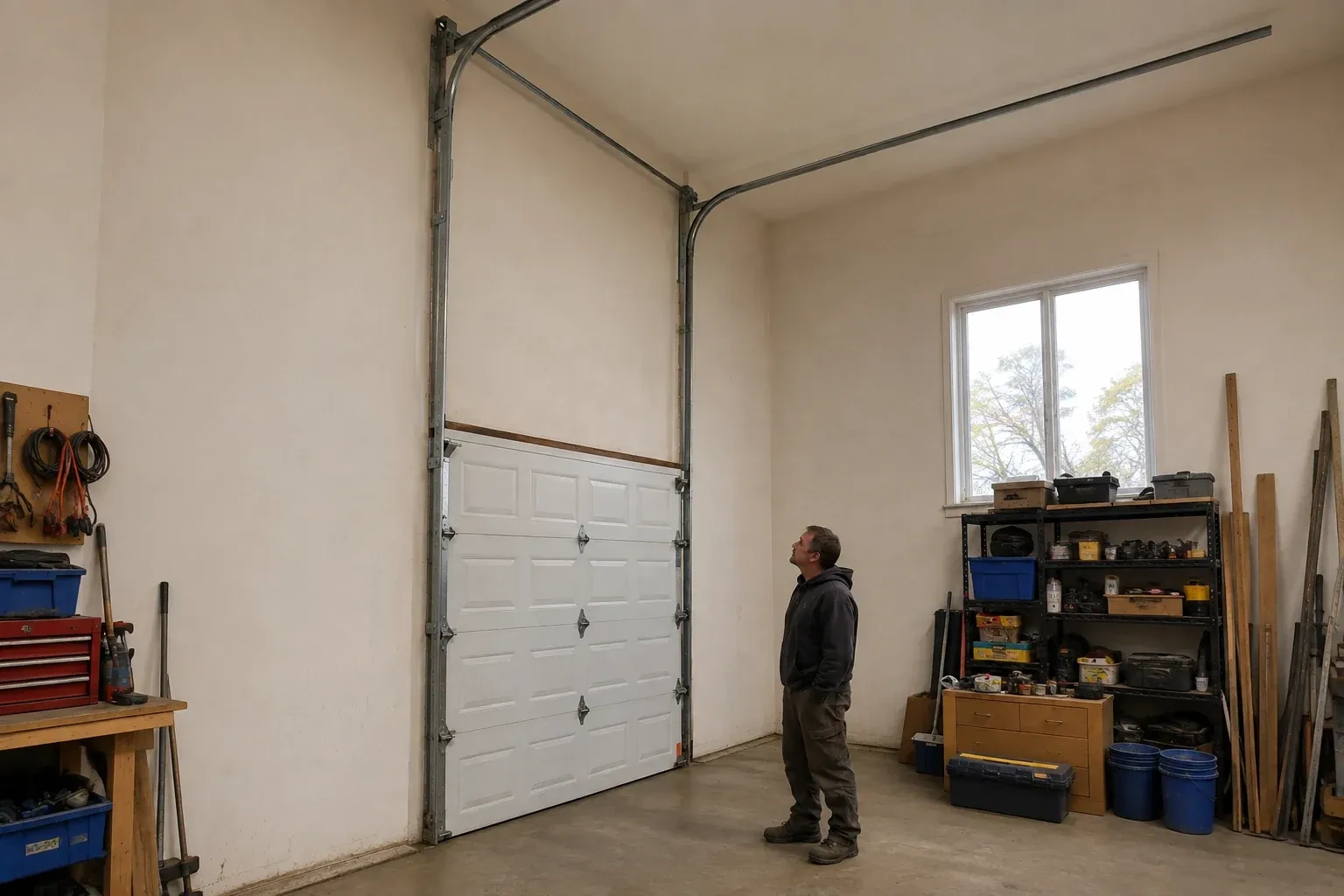 High-Lift Garage Door ConversionStorage racks were planned near the ceiling, but the existing tracks and centre-mounted opener divide the only practical zone.